Rosacea can feel ruthless. Your skin flushes, burns, and reacts to almost everything. You may fear each new product or treatment. Medical spas see this every day. Staff know that one wrong choice can trigger days of pain. So they do not guess. They follow a clear process to find what your skin can handle. They look at your triggers, your daily habits, and your past reactions. Then they match treatments to your skin type and redness pattern. Every step aims to calm, not shock, your skin. If you visit an aesthetic clinic Newtown PA or any other medical spa, you should know how they decide what to use. This blog walks through how trained teams read your skin, choose safe options, and adjust care over time so you get relief without more flare-ups.
Step 1: Your Story Comes First
Staff start with questions. Your words guide every choice. You share:
- When flushing started
- What triggers it, such as heat, stress, or foods
- Products that caused stinging or bumps
- Past treatments that helped or harmed
Teams often use tools from trusted groups. You can see common triggers and patterns on the National Institute of Arthritis and Musculoskeletal and Skin Diseases rosacea page. Your answers show if your skin fits one or more types that doctors describe. Staff then know if redness, bumps, swelling, or eye issues matter most for you.
Step 2: Careful Skin Exam
Next, the staff study your face in good light. They look for three things.
- Where redness sits, such as cheeks, nose, or chin
- Whether you have visible veins, bumps, or thickened skin
- How reactive your skin seems during touch
Some clinics use photos to track change. Others use simple scales for redness. Staff may compare what they see with public guides such as the American Academy of Dermatology rosacea overview. This helps them avoid strong treatments on fragile skin.
Step 3: Sorting Treatment Choices
Medical spas usually group options into three paths. Each path fits different needs.
| Treatment type | Main goal | Best for | Key caution
|
|---|---|---|---|
| Soothing facials and skincare | Calm and protect skin | New rosacea, daily redness, product sensitive skin | Need patch tests before full use |
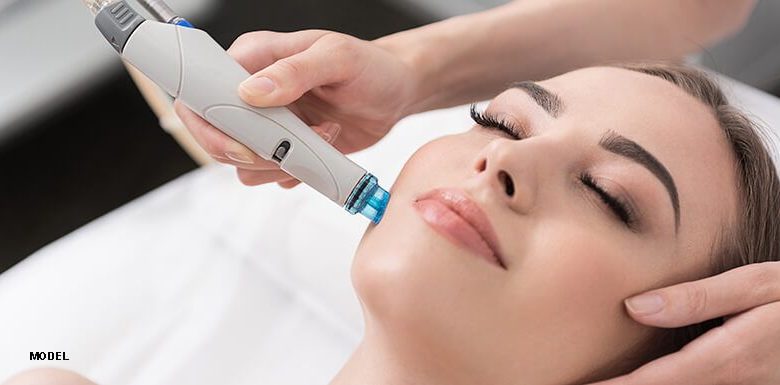
| Light and laser devices | Fade redness and veins | Visible veins, long lasting redness | Heat can trigger flares if settings are too strong |
| Support for medical treatment | Help prescriptions work better | Moderate or severe cases under doctor care | Must avoid products that clash with medicines |
This sorting step keeps you away from risky choices. It also stops staff from pushing treatments that do not match your needs.
Step 4: Gentle First, Then Adjust
Staff usually start with the lowest strength, which might help. You can expect:
- Patch tests on a small spot before full face use
- Cool water, soothing masks, and simple products
- Slow, short sessions for any light device
If your skin stays calm, they raise strength in small steps. If you react, they stop and rethink the plan. This slow build protects your skin and your trust.
Step 5: Products They Often Avoid
Most medical spas keep clear rules about what to avoid on rosacea-prone skin. Common red flags include:
- Strong scrubs or brushes
- High strength retinol without medical oversight
- Fragrant oils or harsh plant extracts
- Alcohol heavy toners
- Very hot steam
Staff check every product label. They choose short ingredient lists when they can. They also limit how many new products you can start at once. That way, if a flare starts, you know the cause.
Step 6: Matching Options To Your Rosacea Pattern
Once staff know your triggers and skin patterns, they match specific services.
If your main problem is general redness, they may suggest:
- Cool gel masks
- Mild enzyme exfoliation instead of scrubs
- Light based treatments at low power
If bumps or breakouts trouble you, they focus on:
- Non drying cleansers
- Oil free moisturizers
- Support for any prescription creams you use
If visible veins bother you, they may plan a series of focused light sessions with long rest times between visits. Each plan aims for control, not quick, dramatic change that might hurt you.
Step 7: Safety Checks Before Each Visit
At every visit, staff ask about:
- Recent flares or sunburns
- New medicines or health changes
- Product changes at home
If anything raises concern, they may delay treatment or switch to a calmer option that day. This protects you from hidden risks such as sun-sensitizing drugs or new allergies.
Step 8: Teaching You How To Protect Your Skin
Good medical spas do more than offer treatments. They teach you how to guard your skin between visits. You learn three core habits.
- Daily sun protection with gentle, broad-spectrum sunscreen
- Simple morning and night routines that you can keep
- Trigger tracking through a small journal or phone notes
Staff may share public resources so you can read more at home. These guides often repeat the same message. Gentle care, sun protection, and trigger control work together. You gain steady control instead of quick but short gains.
Step 9: When To See A Medical Doctor
Medical spas also know when your skin needs a doctor. They may suggest a dermatologist visit if you have:
- Eye pain, swelling, or light sensitivity
- Thickened skin on the nose or other spots
- Burning that does not ease with gentle care
- Frequent flares despite careful triggers control
They can share notes or photos with your doctor if you agree. This teamwork keeps your care safe and coordinated.
What You Can Ask At Your Next Visit
You have a right to clear answers. At your next visit, you can ask:
- How do you screen treatments for rosacea-prone skin
- What steps do you take if my skin reacts
- How will we track my progress over time
Honest answers show respect for your skin and your fears. With a careful plan, steady checks, and shared decisions, treatment can shift from fear to control. Your skin may still flush at times. Yet you stand on a clearer path, with a team that chooses each step with care.