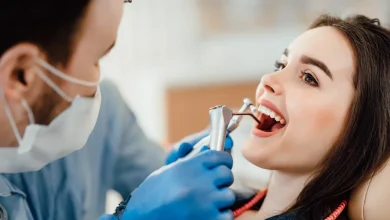

You might be feeling a little worn out by Scarsdale dental care. One office for cleanings, another for a root canal, a different place for your child, and every visit means new forms, new faces, and repeating your health history again and again. It is easy to start putting things off, even when you know your mouth deserves better.end
Then something changes. A tooth starts to ache, your child chips a front tooth, or you notice bleeding when you brush. Suddenly, what felt like a low-level annoyance turns into real worry. You want care that feels steady and coordinated, not scattered and rushed.
If that sounds familiar, you are not alone. Many people are quietly exhausted by fragmented care. The good news is that choosing one trusted general dentist for most or all of your needs can calm a lot of that chaos. It can give you a single “home base” for your oral health, where the team knows your story, tracks your progress, and helps you make decisions without pressure.
In simple terms, the benefit is this. One dentist. One record. One plan. Fewer surprises. Better prevention. More peace of mind.
Why does bouncing between different dentists feel so stressful?
Think about what happens when you see a different dentist every time something goes wrong. You walk into a new office and start from zero. New forms. New x-rays. New explanation of your medical history and medications. You might even get different opinions about the same problem, which can leave you wondering whom to trust.
There is also the emotional side. Many people already feel nervous in the dental chair. When the setting is unfamiliar each time, that anxiety can spike. You might find yourself delaying care until the pain is bad enough that you cannot ignore it. That often means more invasive and more expensive treatment later.
Then there is the financial piece. Without one dentist coordinating your care, it is easy to repeat x-rays, miss chances to use your insurance benefits wisely, or choose short-term fixes that cost more in the long run. You may also miss out on prevention, which is almost always less expensive than treatment.
So where does that leave you? It leaves you wondering if there is a calmer, more stable way to handle dental care for you and your family.
How can one trusted general dentist simplify your life?
Choosing a single family dental home is not about giving up options. It is about gaining a central partner who can guide you, and bring in specialists only when you truly need them. The American Academy of Pediatric Dentistry calls this kind of ongoing relationship a “dental home,” and research shows it supports better, more continuous care for children and adults. You can read more about that idea in their guidance on dental home care and continuity.
Here are five key benefits of having one general dentist for all or most of your dental needs.
- A complete picture of your oral health
When you see the same dentist over time, they do not just see teeth. They see patterns. They notice if a small crack is slowly changing, if your gums are a little more inflamed than last visit, or if your grinding is getting worse during stressful seasons of your life.
Because they know your medical conditions, medications, and habits, they can connect the dots. For example, they might link dry mouth to a new prescription before it leads to cavities, or spot signs of diabetes or sleep apnea during a routine visit. This kind of long-term view is hard to get when your care is scattered.
- Stronger prevention and fewer emergencies
Prevention is not just about cleanings. It is about customized advice that fits your actual life. One primary dental provider can track what works for you, adjust your home care routine, and schedule visits at intervals that match your risk level, not just a standard calendar.
For example, if you tend to build heavy tartar, your dentist might suggest more frequent cleanings. If your child has a higher cavity risk, they can suggest sealants or fluoride at the right times. Over months and years, these small adjustments can mean fewer painful surprises and fewer urgent visits.
- Clearer treatment plans and easier decisions
Dental decisions can feel confusing. Do you need that crown now, or can it wait. Is an implant better than a bridge for you. When you have one dentist who knows your history, your budget, and your tolerance for treatment, the conversation becomes more grounded.
Instead of hearing three different plans from three different offices, you get one coordinated plan with options, timelines, and clear pros and cons. You can pause. Ask questions. Weigh your choices without feeling pushed.
- More comfort for anxious patients and children
Familiarity reduces fear. When you and your family see the same faces each visit, you build trust. The chair, the smells, the sounds, the jokes the hygienist tells, all begin to feel expected instead of threatening.
For children, a stable “dental home” is especially powerful. They learn that checkups are normal, not scary. The team learns their personalities, what calms them, and how to explain things in a way they understand. Over time, this can completely change how a child feels about oral health as they grow.
- Smarter use of time and money
One general dentist who coordinates your care can help you avoid repeated x-rays, unnecessary referrals, and emergency visits that blow up your schedule and your budget. They can also help you plan bigger treatments in phases that fit your financial reality.
Because they see the whole picture, they can suggest which issues to address first, and which can safely wait. That way you use your time off work and your insurance benefits in a way that actually supports your long-term health.
How does a single general dentist compare with using multiple providers?
Sometimes you truly do need a specialist. A good general dentist will tell you that and help you find the right one. The question is not “specialist or general dentist.” It is “Do you have a central partner coordinating your care, or are you left to manage it alone.”
The comparison below can help you see the tradeoffs more clearly.
| Aspect | One General Dentist for Most Needs | Multiple Unconnected Providers
|
|---|---|---|
| Medical history & records | All in one place, updated over time | Scattered records, repeated paperwork |
| Care coordination | One central plan, referrals only when needed | You manage referrals and explanations yourself |
| Prevention & monitoring | Patterns tracked across years, early warnings | Mostly single-visit snapshots, fewer trend insights |
| Anxiety & comfort | Familiar team, growing trust each visit | New environment often, higher stress for many people |
| Time & cost efficiency | Reduced duplicate x-rays, smarter scheduling | Higher risk of repeated tests and rushed emergency care |
| Family convenience | One location, coordinated appointments | Different offices, more travel and time off work |
If you want to explore more about how general dental care fits into overall health, MedlinePlus has a clear overview of basic dental health and prevention that many people find helpful.
What can you do right now to move toward calmer, more consistent care?
You do not need to change everything overnight. Even one small, steady step can move you from scattered care to a more stable routine.
- Choose one office to be your “dental home”
If you already have a dentist you mostly trust, consider formally treating that office as your main home for care. Schedule your next cleaning there. Ask them to request records from any other offices you have visited. Let them know you want a long-term plan, not just emergency fixes.
If you do not have a current dentist, focus your search on finding one general dentist who offers preventive care, basic restorative work, and clear referrals when needed. Read reviews, ask people you trust, and pay attention to how you feel during that first visit.
- Share your full story, not just your symptoms
At your next appointment, take a few extra minutes to explain your health history, your past dental experiences, and your worries about cost or pain. The more your dentist understands your real life, the more they can tailor their advice and your schedule.
You might say something like, “I want one place that really knows my history. Can we create a plan that works over the next year or two, not just today.” A good general dentist will welcome that conversation.
- Commit to a simple, realistic prevention routine
Ask your dentist and hygienist what two or three habits would have the biggest impact for you specifically. This might be brushing with a fluoride toothpaste twice a day, cleaning between your teeth once a day, and coming in every 4 to 6 months for cleanings.
Write these down. Put reminders in your phone. Small, consistent steps, combined with one trusted dental partner, can quietly transform your oral health over time.
Taking the next step toward steadier dental care
You do not need to be perfect. You do not need to fix every old cavity by next month. What you do need is a path that feels calmer and more coordinated, and one general dental provider you feel comfortable turning to with questions.
Choosing one general dentist for all of your needs is less about loyalty to a building and more about building a relationship with a team that knows you, watches out for you, and helps you make choices that fit your life. With that kind of support, dental care stops being a series of stressful events and becomes a steady part of staying well.
Your next move can be simple. Pick the office you want to call “home,” schedule a checkup, and start the conversation. From there, you and your dentist can shape a plan that gives you fewer surprises, more control, and a quieter mind about your oral health.