
Have you ever washed your face or body and noticed that your skin feels tight, dry, itchy, or uncomfortable afterward? You might assume your skin is naturally dry or sensitive, or that you need another moisturizer to fix the problem. But sometimes the issue starts with a product you use every day: your soap.
Cleansing is an essential part of skincare, but not every soap suits every skin type. A formula that leaves one person feeling fresh and comfortable may leave another dealing with dryness, irritation, or excess oil. The difference often comes down to the ingredients, cleansing properties, and how well the product suits your skin.
At GoodSoaps, we believe that understanding your skin starts with paying attention to the products you use every day. Before adding more steps to your skincare routine, it may be worth taking a closer look at your cleansing bar.
How Your Soap Can Affect Your Skin
Your skin has a natural protective barrier that helps retain moisture and protect it from external irritants. Cleansers help remove sweat, dirt, excess oil, and everyday buildup. However, a formula that is too harsh for your skin or used too frequently may also remove some of the oils that help keep your skin comfortable.
When your cleanser does not suit your skin, you may notice tightness after washing, dry patches, redness, or irritation. Some people may also find that their skin feels oily again soon after cleansing.
These signs do not automatically mean your soap is responsible. Weather, hot water, other skincare products, and existing skin conditions can also contribute. However, if discomfort repeatedly occurs after washing, your cleanser is worth reviewing.
5 Signs Your Soap Might Not Suit Your Skin
1. Your Skin Feels Tight After Washing
Your skin should not have to feel uncomfortably stretched to be clean. If you experience tightness after every wash, your soap may be too drying for your skin.
Consider switching to a suitable, gentler cleanser, using lukewarm water, and applying moisturizer after washing. The goal is to remove everyday impurities without leaving your skin feeling stripped.
2. Your Skin Stays Dry Even When You Moisturize
If you regularly apply moisturizer but still experience roughness or dry patches, your cleansing routine may be contributing to the problem.
A moisturizer can help support hydration, but it may not fully compensate for a cleanser that repeatedly leaves your skin uncomfortable. Choosing a cleansing bar suited to dry skin can be a useful first step.
3. Your Skin Feels Itchy or Irritated
Redness, itching, and discomfort can sometimes indicate that a product does not suit your skin. Fragrance, certain ingredients, or frequent washing may contribute to irritation, particularly for people with sensitive skin.
If you notice a reaction after introducing a new soap, stop using it and observe whether your skin improves. Persistent or severe irritation should be assessed by a healthcare professional.
4. Your Skin Feels Oily Again Quickly
People with oily skin sometimes choose the strongest available cleanser to remove every trace of oil. However, stronger cleansing does not necessarily mean better results.
A suitable cleanser should help remove excess oil and everyday impurities without leaving your skin uncomfortable. Remember that oiliness is influenced by several factors, including hormones, genetics, and environmental conditions.
5. Your Skin Looks Dull or Feels Rough
Dullness is not always a sign that your skin needs aggressive exfoliation or a brightening treatment. Dehydration, irritation, and the buildup of dead skin cells can all affect how your skin looks and feels.
Instead of immediately reaching for a stronger product, review your cleansing routine first. A suitable soap, regular moisturizing, and sun protection can help support a more comfortable skincare routine.
Choosing the Right Soap for Your Skin Concern
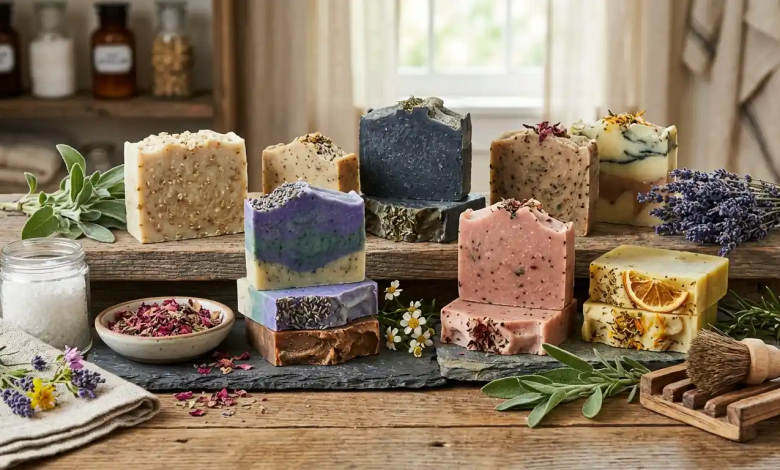
Different skin concerns call for different approaches to cleansing. GoodSoaps offers handmade soap options that allow you to explore different ingredients and find a cleansing bar that fits your routine.
Here are four options to consider when choosing a soap for your skin’s needs.
Turmeric Soap for Dull and Uneven-Looking Skin
If your skin looks dull or uneven, you may be tempted to choose a soap that promises a brighter complexion. However, the goal should be to cleanse gently rather than rely on harsh products to change your natural skin tone.
Turmeric is a familiar botanical ingredient in skincare. Turmeric Soap can be an option for people who want to incorporate this ingredient into their cleansing routine. Depending on the formula, it may help remove everyday impurities while leaving the skin feeling clean and refreshed.
It is important to keep expectations realistic. A turmeric cleansing bar is not a guaranteed treatment for dark spots, pigmentation, or acne scars. These concerns may require other skincare products or professional advice.
Best suited to explore: People interested in turmeric-based cleansing as part of a routine for dull or uneven-looking skin.
Coffee Soap for an Invigorating Cleansing Routine
Coffee is widely recognised for its rich aroma and place in everyday self-care routines. In soap, coffee can add an appealing sensory element to a regular cleansing experience.
Coffee Soap may appeal to people who enjoy a refreshing bar with a distinctive ingredient. Depending on its formulation, the bar can help remove everyday dirt and buildup from the skin.
However, coffee soap should not automatically be considered an acne treatment or a proven solution for cellulite or dark spots. If the formula contains exfoliating particles, people with sensitive or irritated skin should be particularly careful about excessive rubbing.
For everyday use, focus on how the soap feels on your skin after rinsing. A cleansing bar should leave your skin comfortable rather than dry or irritated.
Best suited to explore: People looking for a coffee-based cleansing bar to add a refreshing touch to their bathing routine.
Rice Soap for Dull-Looking Skin
Rice has a long history of use in beauty routines, and rice-based skincare products are often associated with a soft, fresh-looking complexion.
Rice Soap can be an option for people who want to include a rice-based cleansing bar in their routine. It helps with everyday cleansing, while the overall experience depends on the formula and the other ingredients used.
Although rice is often discussed in connection with brightening skincare, a rice soap cannot guarantee lighter skin or remove pigmentation. Cleansing products have limited contact with the skin, so results should not be compared with those of targeted leave-on treatments.
If your skin looks dull, combine a suitable cleansing routine with moisturizer and daily sun protection. These simple steps can help maintain skin comfort and support a healthier-looking appearance.
Best suited to explore: People interested in rice-based skincare as part of a routine for dull-looking skin.
Oats Soap for Dry and Sensitive Skin
If your skin often feels dry, rough, or uncomfortable after washing, oats may be an ingredient worth considering.
Oat-based skincare ingredients are known for their soothing and skin-conditioning properties, although the benefits depend on the type of oat ingredient and the finished formula. Oats Soap may appeal to people looking for a cleansing bar that fits a routine focused on skin comfort.
When choosing an oats-based soap, pay attention to the full ingredient list, fragrance, and how your skin responds. Even a product containing oats may not suit everyone, particularly if it includes other ingredients that trigger irritation.
For dry skin, use lukewarm water, avoid excessive washing, and apply moisturizer after cleansing. If you have persistent redness, eczema, or significant irritation, consult a healthcare professional rather than relying on soap alone.
Best suited to explore: People with dry or sensitive skin who want to consider an oats-based cleansing bar.
Are Handmade Soaps Always Better for Your Skin?
Handmade soaps can be appealing because of their ingredients, craftsmanship, and variety. However, handmade does not automatically mean gentle, hypoallergenic, or suitable for every skin type.
The finished formula matters more than the label alone. Traditional soap bars can be more drying for some people than certain non-soap cleansers, especially when the skin barrier is already compromised.
When choosing a handmade cleansing bar, consider the following:
- Ingredients: Check the full ingredient list, especially if you have known sensitivities.
- Cleansing experience: Notice whether your skin feels comfortable or tight after washing.
- Fragrance: If your skin reacts easily, consider fragrance sensitivity when selecting a product.
- Skin type: Choose according to your actual needs rather than following every skincare trend.
- Personal tolerance: Introduce new products gradually and discontinue use if they cause a reaction.
The right cleansing bar is not necessarily the one with the most ingredients or the strongest claims. It is the one that fits your routine and works comfortably for your skin.
How to Build a Simpler Skincare Routine
When your skin becomes dry, oily, or irritated, adding more products may seem like the obvious solution. But introducing several products at once can make it difficult to identify what is helping and what may be causing discomfort.
Start with a simple routine:
- Cleanse gently: Choose a suitable cleanser and use lukewarm water.
- Moisturize regularly: Use a moisturizer that suits your skin type.
- Apply sunscreen: Use broad-spectrum sun protection during the day.
- Avoid over-washing: Cleanse as needed without repeatedly stripping your skin.
- Observe your skin: Introduce new products one at a time and monitor your skin’s response.
If your skin continues to feel irritated despite changing your routine, consider seeking professional advice. Persistent skin concerns may need more than a change in soap.
Find Your Everyday Cleansing Bar with Good Soaps
At GoodSoaps, we understand that choosing a cleansing bar is about more than fragrance or appearance. It is about finding a product that fits your skin’s needs and your everyday routine.
Whether you are interested in Turmeric Soap, Coffee Soap, Rice Soap, or Oats Soap, consider what you want from your cleansing routine before making a choice.
- Explore Turmeric Soap if you are interested in turmeric-based cleansing for dull-looking skin.
- Consider Coffee Soap if you enjoy a coffee-based bar as part of your everyday self-care routine.
- Discover Rice Soap if rice-based skincare appeals to you.
- Look into Oats Soap if you want to explore an oats-based option for a routine focused on dryness and comfort.
Before purchasing, review each product’s ingredients, fragrance, and intended use to determine whether it suits your skin. If a product causes persistent discomfort, stop using it.
Final Thoughts
Your skin may not need another complicated skincare step. It may need a closer look at the products you already use.
If your skin regularly feels tight, dry, itchy, or uncomfortable after washing, your soap could be contributing to the problem, although other factors may also be involved.
The answer is not necessarily to stop using soap altogether. Instead, choose a cleansing product that suits your skin, avoid over-washing, and follow up with a suitable moisturizer.
With a more thoughtful cleansing routine, you can make everyday skincare simpler and more comfortable.