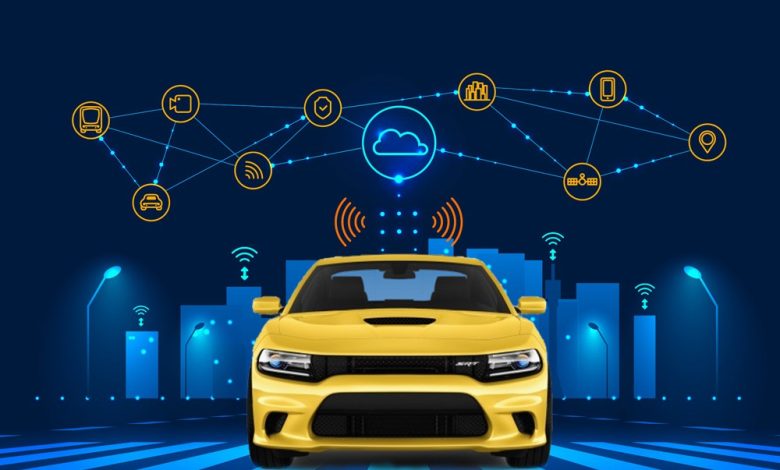
As cars go from primarily mechanical means of transportation to advanced computer platforms on wheels, the automotive industry is going through a significant transition. The idea of vehicle-centric computing, which disperses processing power throughout the car to provide quicker, more dependable decision-making without continual external connectivity, is at the core of this transformation. TERA embedded system design offers a particular framework that balances the intricate computational requirements of contemporary cars, marking a substantial progress in this discipline. Some key facets of how TERA’s edge intelligence capabilities are changing automotive technology and improving the driving experience are examined in this article.
1.Distributed Computing Architecture Revolutionizing Vehicle Systems
TERA’s distributed design, which properly distributed processing power among the vehicle’s components, revolutionizes vehicle computing. This structure distributes specialized processing nodes throughout the car, each of which is tailored for a particular purpose, such as entertainment, powertrain management, or sensor processing, in contrast to conventional centralized models where a single computer manages several activities. Through a fast internal network, these nodes exchange information, strengthening the system’s resilience and enabling processing resources to grow in response to urgent needs. By placing computing resources physically closer to pertinent sensors and actuators, this architecture reduces latency and avoids bottlenecks by guaranteeing that time-sensitive operations, such as collision avoidance, receive dedicated resources regardless of demands elsewhere in the system.
2.Real-Time Decision Making Through Edge Processing
TERA’s approach to processing ensures that the vehicle’s main components are using computing power efficiently. Rather than a single computer handling many functions, an EV has several specialized nodes spread around the car that are designed for particular tasks such as playing entertainment, handling the powertrain or working with sensors. By quickly sharing information over a private network, these nodes make the system stronger and allow its processing resources to increase when needed. Moving computing resources close to relevant sensors and actuators serves to decrease delays and prevents backing up by giving urgent operations such as collision avoidance, priority whenever needed.
3.Resilient Operation in Challenging Environments
Few other technologies must endure the particularly harsh operating circumstances that vehicle computing systems must endure. Through remarkable environmental resilience that sustains performance in the face of severe temperatures, vibration, electromagnetic interference, and moisture exposure, TERA tackles these issues. Processor deterioration during temperature variations that would jeopardize traditional computer gear is avoided by sophisticated thermal management technologies. Advanced isolation techniques shield delicate computations from the electrical noise produced by electric motors and ignition systems. Because the framework is distributed, it has built-in redundancy, which enables essential operations to continue even in the event that individual processing nodes malfunction. From the cold of the Arctic to the heat of the desert, this environmental hardening guarantees dependable functioning for the duration of the vehicle’s life.
4.Dynamic Resource Allocation Optimizing System Performance
Through advanced resource management that constantly optimizes processing allocation depending on driving circumstances and current vehicle demands, TERA advanced design solution achieves amazing efficiency. While keeping baseline safety monitoring, the system may allocate more resources to predictive navigation and entertainment features when driving on a highway. Computational resources automatically shift toward sensor processing and safety systems as conditions change, such as entering complicated metropolitan surroundings or running into bad weather. Without the driver being aware, this dynamic allocation takes place smoothly, guaranteeing peak performance in a variety of situations. The method much outperforms fixed-allocation designs, which waste processing power during regular operation and could still not be adequate in the most demanding circumstances. Fixed-allocation architectures must always set aside enough resources for the worst-case scenarios.
5.Continuous Learning Through Operational Data Analysis
Through advanced learning capabilities that gradually improve vehicle behavior, TERA’s intelligence goes beyond pre-programmed reactions. In order to create behavioral models that are more and more precise for the vehicle and its primary drivers, the system regularly examines operational data, such as braking patterns, route preferences, acceleration patterns, and environmental reactions. Subtle improvements in battery management, regenerative braking effectiveness, gearbox shift points, and a host of other factors are made possible by this continuous research. TERA carries out a large portion of this analysis locally, generating customized adaptations without the need for constant connectivity while upholding suitable privacy boundaries for sensitive driving data, in contrast to cloud-dependent solutions that aggregate data across vehicle fleets.
6.Seamless Integration with Multi-Modal Transportation Systems
Through careful integration capabilities that link with larger transportation networks, TERA expands its intelligence beyond the individual vehicle. Without sacrificing security, the framework incorporates specific protocols for interacting with nearby automobiles, intelligent infrastructure, and transportation management systems. Cooperative features including automatic parking structure navigation, coordinated traffic flow through intelligent junctions, and smooth transitions between driving and public transportation are made possible by this connectedness. In order to ensure that connectivity improves the driving experience without establishing necessary dependencies, the design carefully strikes a balance between advantageous connectivity and operational freedom. While maintaining necessary autonomy, this method recognizes that automobiles function in intricate transportation networks rather than isolated settings.
7.Enhanced Security Through Multi-Layered Protection
TERA uses a thorough, defense-in-depth strategy to handle the growing range of possible security flaws that cars encounter as they become more computerized. Hardware-level cryptographic modules, secure boot procedures, authenticated communications protocols, and ongoing system integrity monitoring are just a few of the security layers that the framework incorporates. This technique, which incorporates internal barriers that minimize possible harm by separating essential systems from compromised components, differs from typical approaches that largely focus on preventing exterior threats. It considers that committed attackers may eventually break outside defenses. In order to address specific vulnerabilities, such as CAN bus monitoring, OBD port protections, and defenses against sensor spoofing attacks that may otherwise alter car behavior, the security architecture incorporates specialized automotive-specific protections.
Conclusion
TERA semiconductor engineering in usa, which uses distributed edge processing to transfer intelligence straight into cars, is a significant breakthrough in vehicle-centric computing. This architecture turns automobiles into genuinely intelligent systems by facilitating real-time decision-making, environmental resilience, dynamic optimization, and continuous learning without continual connectivity. TERA’s architecture offers the fundamental framework for safer, more effective, and more capable cars as transportation continues to advance toward further automation and integration.